From Cleveland to Capitol Hill: GCV Advocates for Volunteerism
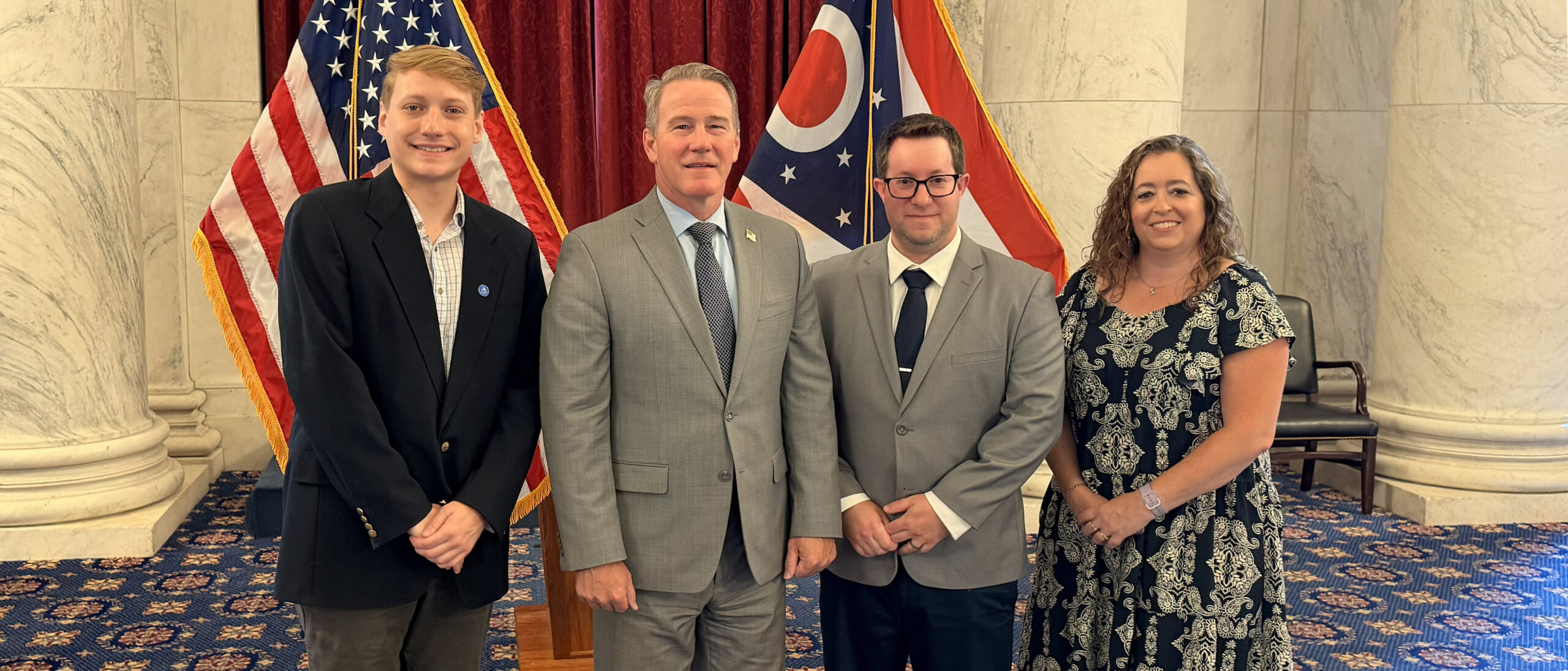
Last month I traveled to Washington, D.C., for a week focused on two closely connected parts of Greater Cleveland Volunteers’ mission: strengthening the field of volunteer engagement and ensuring that the value of national service is understood by those making federal policy and funding decisions. The trip included participation in the Points of Light Conference, meetings with congressional offices, and opportunities to collaborate with nonprofit colleagues from across Ohio. Together, these experiences reinforced an important lesson that nonprofits do not need large lobbying teams or substantial advocacy budgets to make their voices heard. Rather, mission-driven organizations like GCV need clear messages, credible data, strong partnerships, and compelling stories about the people and communities affected by public policy.
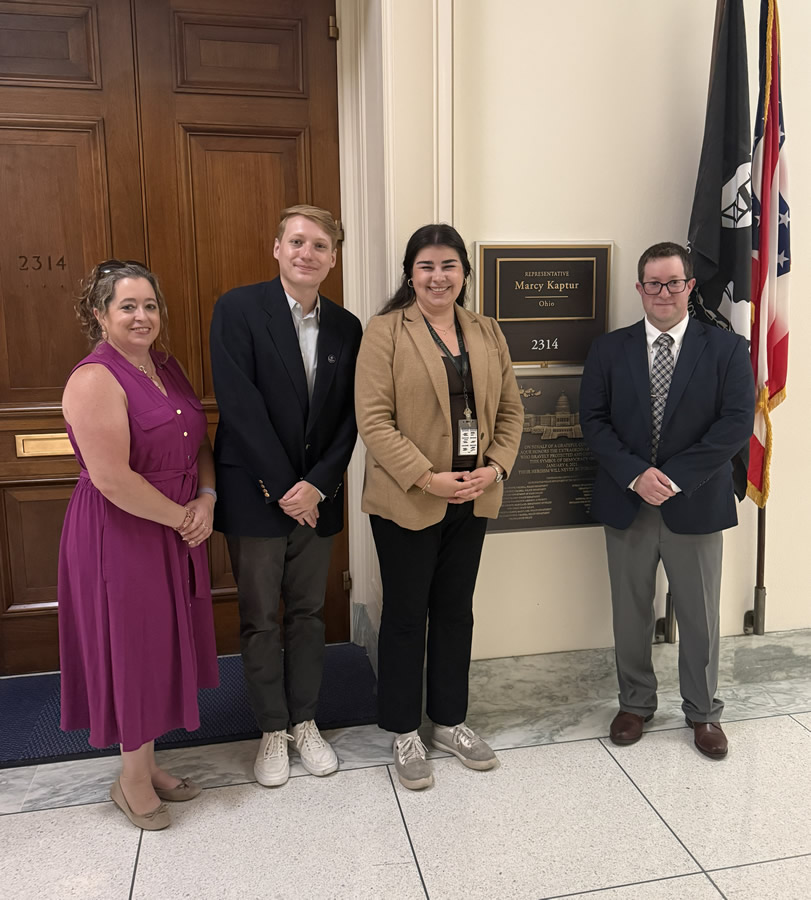
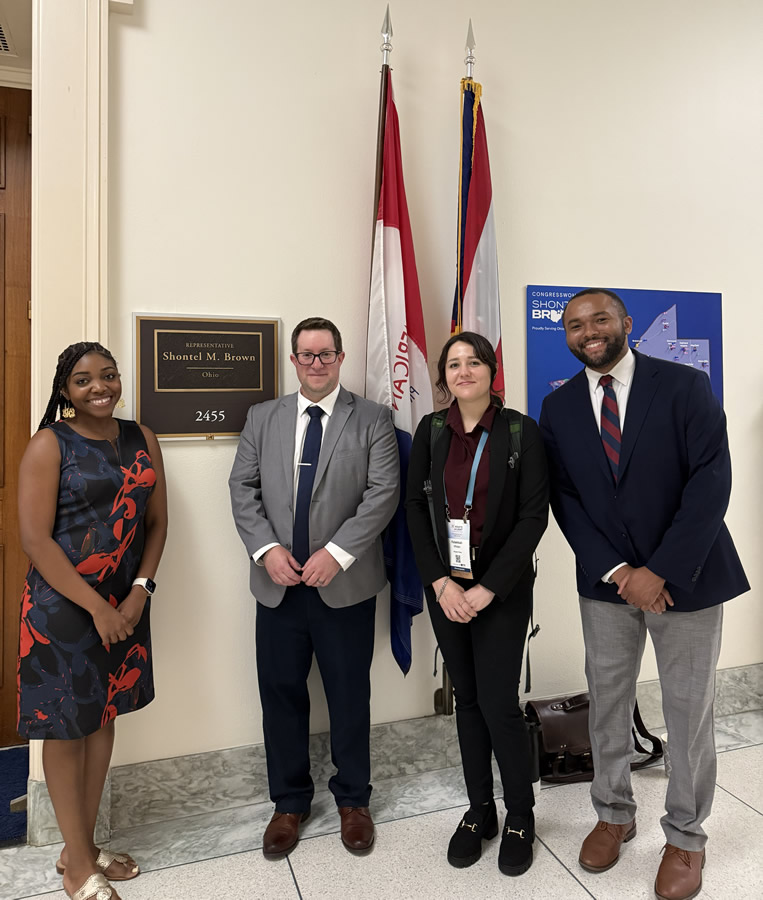
During this trip, I met with legislative staff from the offices of Representative Marcy Kaptur, Representative Shontel Brown, Senator Bernie Moreno, and Senator Jon Husted. I was joined at several of these visits by colleagues from other Ohio organizations that administer AmeriCorps Seniors programs, including United Senior Services and Benjamin Rose Institute on Aging. Their participation helped demonstrate that the impact of national service is not limited to one organization or one part of the state. From Northeast Ohio to Clark County, organizations are seeing older adults use their experience, time and talents to address critical community needs.
During our meetings, our message was straightforward. We shared how important resources and funding for AmeriCorps Seniors is and how it is a proven, smart and cost-effective public investment. These programs provide the infrastructure needed to recruit, train, place and support older adult volunteers. Through RSVP, the Foster Grandparent Program and the Senior Companion Program, volunteers help address food insecurity, educational needs, transportation barriers, social isolation, health access, and the ability of older adults to remain safely in their homes. Volunteers may provide the service, but successful volunteer engagement does not happen automatically. Federal support makes it possible for organizations to connect the right people with the right opportunities and sustain those relationships over time.
In each meeting, we shared both data and real examples of impact. We had the opportunity to share how volunteer service strengthens our region’s nonprofit community while supporting healthy aging. Older adults who volunteer remain active, connected and engaged, while the organizations and residents they serve receive essential support. Essentially, we were able to tell your story — the story of the amazing volunteers here in Northeast Ohio.
We also emphasized the strong return on investment produced by AmeriCorps Seniors. Volunteer-led transportation, companionship, food access, wellness programs, tutoring, and so many other services can address needs before they require more expensive interventions from health care, long-term care, or other public systems. One of the most valuable parts of the trip was hearing the questions congressional staff asked. In one meeting, we were asked to clarify the specific funding level we hoped Congress would support. That question was a useful reminder that strong advocacy must combine stories and impact with a clear and specific policy request. In other meetings, we were met with immediate support and agreement. It was heartening to know our volunteers have fervent supporters in Congress who understand how substantial the impact is that you all are making. These meetings were not about expecting an immediate legislative victory or funding announcement. In reality, advocacy rarely works that way. Our goal this year was to foster active relationships with legislators and ensure that the voices of our organization and of our volunteers continue to be heard.
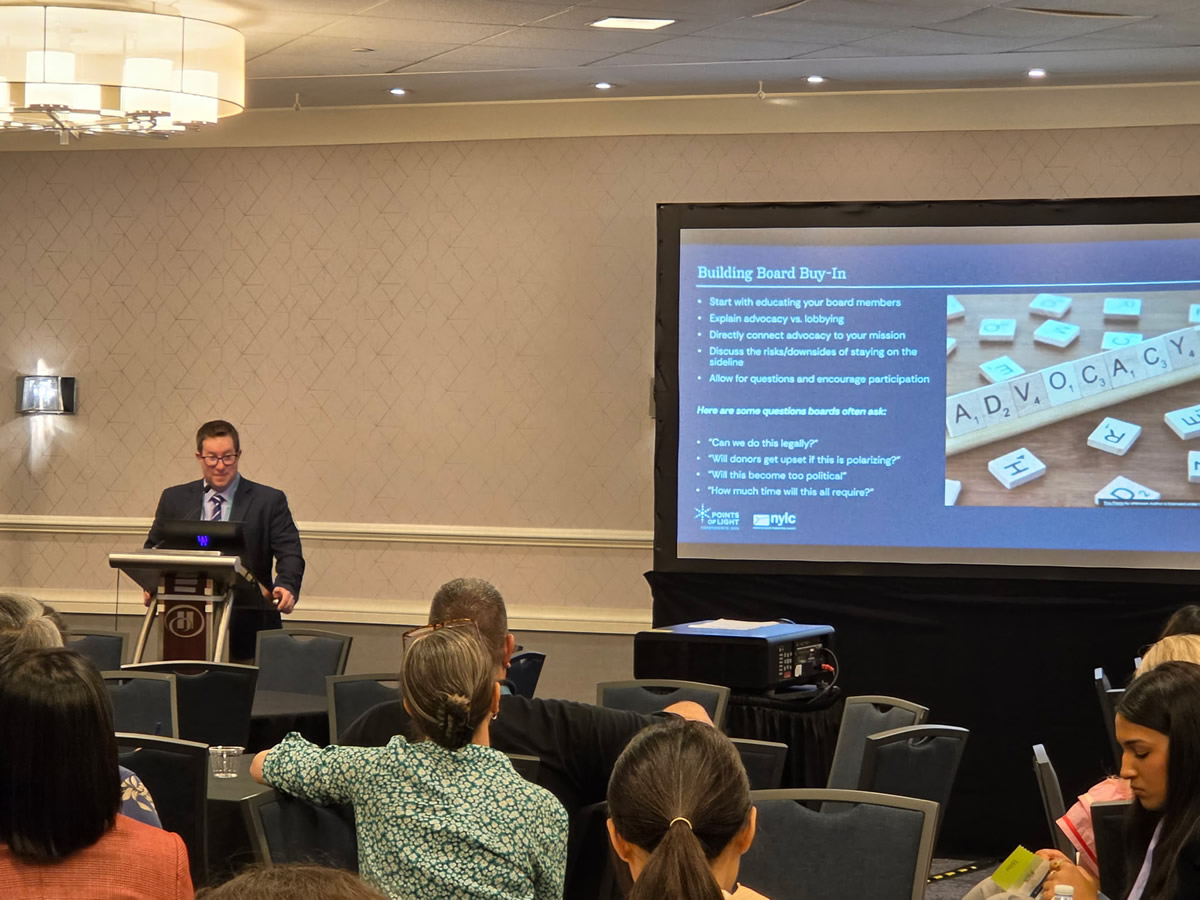
The trip also provided an opportunity to share Greater Cleveland Volunteers’ growing advocacy experience with other nonprofit and volunteer-engagement leaders at the Points of Light Conference. I was privileged to present my workshop, “Small But Mighty: Building an Advocacy Voice in Your Nonprofit Without a Lobbyist or a Budget,” to a room of nearly 50 other nonprofit professionals from volunteer-centered organizations. The talk focused on how organizations of any size can begin advocating for their missions. I shared practical lessons from our experience, including securing board and staff support, identifying a focused issue, developing clear messaging, preparing leave-behind materials, requesting legislative meetings, working with partners, and following up after each conversation. The central message was the same one reinforced throughout the week, which was that nonprofits already possess the expertise needed to advocate. Nonprofits understand community needs, see policy consequences firsthand, collect meaningful data, and hear stories that policymakers might never encounter otherwise. Advocacy is the process of making sure that knowledge reaches the people making decisions.
Greater Cleveland Volunteers will continue building relationships with policymakers, strengthening partnerships with fellow nonprofits, and advocating for investments that support volunteerism, national service, older adults, and healthy communities. The decisions affecting our mission and national volunteer programs will be made whether or not we participate. We intend to be part of the conversation and continue to advocate for volunteerism. We will be persistent in standing up and showcasing the impact that all of you make daily because we know that volunteering is an essential part of our community that makes our region a stronger, more prosperous place for all.
– Kevin Gross, GCV Executive Director